
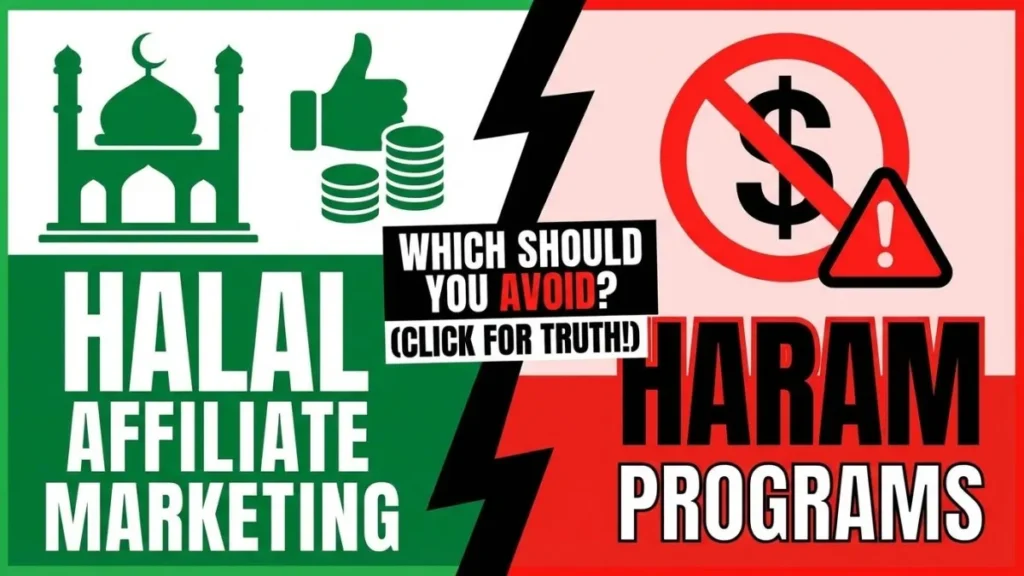
Imagine you start affiliate marketing, excited to earn passive income. You pick a program and ka-ching – you could earn hundreds or even thousands. But wait. Some programs might actually harm your readers or conflict with your values, even if they promise big money. I’ve seen folks jump into high-paying deals and regret it later. In this guide, I’ll break down exactly what affiliate programs to avoid, why it matters, and how to pick the right ones step by step. You’ll get clear, friendly advice to keep your affiliate marketing ethical and effective.
What This Topic Means (Simple Explanation)
Affiliate marketing is a way to earn money by recommending products or services. You share a special affiliate link on your blog, social media, or email. When someone buys through your link, you earn a commission. It’s like getting a finder’s fee for each sale you help make. Sounds simple, right? But here’s the catch: Not every affiliate offer is a good fit. Some products or companies are unethical or risky, meaning they could hurt your audience’s trust or even violate laws.
When we say “programs to avoid,” we’re basically talking about deals that go against common values or sensible business rules. For example, imagine you promote a gambling website or a sketchy “get rich quick” scheme. Even if the commission is high, many people would see that as unfair or harmful. On the other hand, ethical affiliate marketing means choosing programs that are honest, helpful, and safe. These programs respect your audience and comply with the law.
So in simple terms: this topic is about how to tell apart the good, trustworthy affiliate programs from the bad, potentially harmful ones, and why steering clear of the bad ones is important. By the end, you’ll clearly know which types of affiliate offers to skip and how to only partner with the ones that really make sense for you and your readers.
Why It Matters (Benefits + Importance)
Why should you care about avoiding certain affiliate programs? Isn’t it all just making money online? Well, yes, making money is great, but how you make it matters a lot. Here’s why choosing the right programs is crucial:
- Protect Your Reputation: Your readers trust you. If you promote a scammy product or something that offends them (like a gambling site), you’ll lose that trust. I’ve seen bloggers ruin years of hard work by promoting the first shiny offer they saw. Trust is hard to build and easy to lose.https://aaoifi.com/
- Keep Your Conscience Clear: Think about it: if a program conflicts with your personal ethics or your audience’s values, you’ll always feel uneasy. For example, many people prefer not to promote loans with high interest rates or explicit adult content. If you’re not comfortable with something, your readers probably aren’t either. Stay true to your values, and you’ll feel better and more confident.
- Avoid Legal or Financial Trouble: Some programs are outright shady. They might be illegal in certain places or have hidden fees that trap people. Promoting those can get you in hot water. For instance, pyramid schemes disguised as affiliate programs are illegal. People who unknowingly joined such a program have lost money and even faced legal issues. By doing your due diligence, you protect yourself and your audience from scams.
- Focus on Long-Term Success: Fast money traps often backfire. A sustainable affiliate income comes from solid programs that last. For example, well-known brands like Amazon or reliable products like popular software have affiliate programs with low risk. Many top bloggers make steady income by sticking to these dependable programs. The payoff might be smaller per sale, but you gain steady income and loyal followers.
- Follow the Rules: Platforms and countries have rules about promotions. For example, many countries require you to disclose affiliate links. If you accidentally promote something disallowed in your region or break rules, you could lose your affiliate account or get penalties. Being careful ensures you play by the rules everywhere.
To sum up, choosing the right affiliate programs matters because it helps you keep your audience happy, follow laws, and build a solid, ethical business. It’s like choosing to drive on the right side of the road – it keeps everything safe and smooth.
Step-by-Step Breakdown
Now let’s go through the exact steps you can follow to choose great affiliate programs and avoid the risky ones. I’ve broken it down into simple action steps.
Step 1: Know Your Values and Your Audience
Before you sign up for any program, ask yourself: What are my values? What would upset my readers?
- Identify Your Priorities: Sit down and list what matters to you. Do you value financial fairness, health, or family? For example, if you feel strongly against gambling, mark betting sites off your list. If you care about healthy living, maybe skip programs that promote junk food or harmful supplements.
- Think of Your Audience: Who are you writing for? If your blog is about family well-being, your readers probably don’t want ads for payday loans or any content that conflicts with family-friendly values. I remember a friend who ran a parenting blog; she refused to promote video games rated for adults, even though the commission was good. It didn’t fit her audience.
- Personal Comfort: Even if something is legal, you might just not be comfortable with it. That’s okay. If in doubt, skip it. You’ll actually stand out by being consistent. Readers notice when your recommendations align with the tone of your content.
How To Do This:
- Make a quick “Do-Not-Promote” list. Write down categories you’ll avoid (like gambling, tobacco, adult products, etc.). Use whatever language feels right (ethical vs. unethical, or simply “I won’t promote __”).
- Keep this list handy when evaluating new programs. It will quickly tell you if something is off-limits.
Step 2: Understand How Affiliate Programs Work
Many beginners jump in without fully understanding affiliate marketing. Knowing the basics helps you spot good vs. bad deals.
- Commission Structure: Check how the program pays. Is it a flat fee (e.g., $10 per sign-up) or a percentage (e.g., 10% of every sale)? High commission rates might seem attractive, but sometimes they come with tricky rules. For example, a program might promise 70% commission but only on products you sell after a complicated approval process.
- Cookie Duration: This is how long after a click you earn commission. A short cookie (like 7 days) means you only get paid if someone buys quickly. Long cookies (30-90 days) are better. Some shady offers hide short cookies in tiny text.
- Payment Thresholds & Fees: Many programs won’t pay until you reach a certain amount (like $50). Some might deduct fees from your earnings. I once recommended a program that said “earn up to $100!” but in reality, they had a $500 payout threshold. I wasted months promoting with no payout. Always read the fine print.
- Network vs. Individual Merchants: Some affiliate programs are run through networks (like ShareASale, CJ, or ClickBank). Networks vet their offers, which can be safer. Others are direct (you sign up on the company’s own site). Both can be good or bad. Direct programs may pay higher but you have to research the company yourself.
Actionable Step:
- Review the Terms and Conditions before you sign up. If they’re long and confusing, take time to read the key parts or find a summary. Look for any red flags like very low cookie times, complex commission rules, or wording like “Income is not guaranteed”.
Step 3: Research Product Categories
Not all product categories are equal. Some you might decide to avoid completely, while others you can research further.
- High-Risk Categories: These often include gambling/casino sites, adult content, alcohol, tobacco, betting, or get-rich-quick schemes. These can hurt credibility or violate policies. For instance, if you promote online casinos, some countries might ban your content. Plus, many people have strong opinions about gambling. As a rule, steer clear of these unless they truly match your brand and you’re prepared for the pushback.
- Financial Services: Many affiliate programs involve credit cards, loans, or crypto. These are tricky. Credit cards mean interest charges, which can trap people in debt. Loan affiliate programs might target people with financial struggles. If your audience is not financially savvy, this could cause harm. If you do promote finance products, make sure they’re responsible, like a budgeting app or an investment account with transparent fees. Personally, I avoid credit card or mortgage affiliates unless I can be 100% clear about fees and risks.
- Health and Wellness Products: Be careful with supplements and miracle cures. The supplement market is huge, but also full of false claims. If a weight-loss program sounds too good to be true, it probably is. I always look for clinical backing or at least credible customer reviews. Avoid endorsing a “quick fix” diet pill without proof – I have seen readers get upset over misleading health claims.
- Software and Digital Goods: Generally safer, but watch out for “scareware” or security products. Some antivirus or system cleaners make money scaring people about fake problems. If you’re tech-savvy, you’ll see through it, but your audience might not. Stick to well-known apps (like popular project management tools, design software, etc.) and avoid weird unknowns.
Actionable Step:
- Make a List of Target Categories. Based on your niche, list categories that fit your brand (like “fitness apps”, “home gadgets”, “educational courses”). Next to that, list the ones you avoid (gambling, adult, etc.). This keeps you focused. If a promising offer is in a “no-go” category, just skip it.
Step 4: Vet Each Affiliate Program Carefully
When you find an affiliate program you like, dig deeper.
- Company Reputation: Google the company name with words like “review”, “scam”, or “complaint”. If you see many red flags (like “XYZ app scams users”), that’s a bad sign. Also check if it’s easy to find real contact info for the company. A legit company usually has a clear website and real customer support.
- Product Reviews: Look up reviews of the actual product or service (not just the affiliate pitch). Sites like Trustpilot, Reddit, or even YouTube can be goldmines. If customers are complaining about being ripped off or poor quality, be cautious. I once joined an affiliate program for an online course that had lots of 1-star reviews. Many students said it was just recycled info. I dropped it immediately to avoid pushing something that wastes my readers’ time.
- Affiliate Terms: Read the affiliate agreement. Note any rules like: “No bidding on our trademarks in ads” or “No coupon sites allowed”. Also check if the program cancels commissions easily (some shady ones can revoke earnings if they change their mind). If anything feels dishonest, it’s safer to walk away.
- Payment and Support: How do you get paid? Monthly? Does the network have good reviews from other affiliates? Many affiliate forums (like on Reddit or specialized blogs) discuss their experiences. If other affiliates complain about delays or withheld payments, that’s a warning.
Actionable Step:
- Test the Product (if possible). If you can, buy the product yourself or use a free trial. This way you know exactly what you’re recommending. Writing from personal experience builds trust. If you can’t buy it, at least try to get a demo or detailed info before promoting.
Step 5: Stay Transparent and Monitor Your Results
Even after you start promoting, stay alert.
- Full Disclosure: Always tell your audience “I may earn a commission” when they click your links. In many places, it’s a legal requirement. But more importantly, it keeps your relationship honest. I mention this at least once in articles or in a brief note. Most readers appreciate the honesty; it shows you’re not secretly hyping something just for cash.
- Watch How It Performs: Use analytics or affiliate dashboards. If you promote a product and nobody clicks or buys, ask why. Maybe it’s a bad fit. If many click but no purchases happen, the product might have a poor landing page or unclear info. Use that feedback. Good affiliates often tweak their approach or drop programs that fail.
- Listen to Feedback: Pay attention to your audience. If people ask tough questions about a product you promoted, that’s a clue. I once had readers question a meal kit service I linked to; they said it was overpriced. I took it down and shared more budget-friendly cooking tips instead. Being responsive builds trust.
- Update Regularly: Products change. An affiliate program that was ethical last year might add a new catch. Or vice versa, a company might improve. Check your programs every few months. If one has new creepy rules or charges hidden fees, re-evaluate.
Actionable Step:
- Keep an Affiliate Log. Write down where your links are (posts, emails) and which programs you joined. Note the key terms (cookie length, commission). Update it as you go. This simple step helps you stay organized and spot any trouble early.
Expert Tips + Best Practices
Here are some hard-earned tips to keep you on track:
- Start Small and Learn: Don’t join every program at once. I’ve seen beginners sign up for dozens of networks and then get overwhelmed. Focus on 1–3 products that fit your niche and do well, then expand slowly. This way you can manage them properly and see what works.
- Quality Over Quantity: It’s tempting to grab every high-commission offer, but trust me, selling a good $50 product to a loyal reader is better than selling a useless $5 widget just for the money. Think of your audience as friends: would you really push that thing in your own home? If not, skip it.
- Diversify with Reputable Networks: Use well-known affiliate networks (like Amazon Associates, Rakuten, ShareASale) as a base. These often have a vetting process. New or shady networks might pay more but tend to be unstable.
- Write Honest Reviews: If you review products, highlight both pros and cons. People can smell fake praise. Example: “This course helped me with X, but it didn’t cover Y.” Honesty builds authority, and your readers will trust your other recommendations more.
- Disclose Boldly: Don’t hide the fact that you earn a commission. Legal rules aside, it’s common courtesy. You can say, “As an affiliate, I earn a small commission at no extra cost to you.” This keeps you on the right side of guidelines like FTC rules, and it keeps savvy readers happy.
- Use Bullet Points and Comparisons: When explaining affiliate products, bullet lists and comparison tables work wonders. For example, list features of 2–3 software tools you’re recommending. This helps readers decide, and you subtly promote multiple offers ethically.
- Monitor Trends and Updates: Affiliate marketing changes fast. For instance, new laws or platform rules (like Google Ads restrictions) can affect programs. Subscribe to affiliate marketing blogs or newsletters to stay informed about best practices and pitfalls.
Pro Tip: If an affiliate program promises extremely high commissions (like earning $1000 for a tiny $20 product), be cautious. It might require you to work very hard for little sale. Always calculate: if product A gives 10% of $100 vs product B gives 50% of $20, which truly pays more? Sometimes low-commission, high-value products earn you more and require less push.
Read more: Is Forex Trading Gambling? The Honest Truth for Muslim Traders
Common Mistakes to Avoid
Even smart people slip up. Here are the pitfalls I see most:
- Promoting Without Knowledge: Don’t join an affiliate just because the commission is high. Always know what you’re selling. I’ve seen bloggers lose face by promoting a “miracle” supplement they never tried, only to find out it doesn’t work. That kills credibility.
- Ignoring Disclosure Rules: Some new marketers forget to disclose. Even if the law didn’t require it, transparency is crucial. It protects you. Every email or post with affiliate links needs a quick note (even a short “I may get a commission” line).
- Using Only One Affiliate Program: If you rely on just one program or network, you’re putting all eggs in one basket. Programs can end or cut commissions suddenly. Diversify. I always have backups: if one program ends, I move my readers to another similar product.
- Spamming Your Audience: Sharing affiliate links too often (like only posting deals) will annoy readers. Mix in useful content that’s not about sales. I aim for a rough balance: maybe one promotional post for every 5 informational posts.
- Not Reading Reviews: Some folks sign up then realize too late they’re promoting a poor-quality product. Do a quick search for product reviews before you even apply. Skipping this step is a common regret.
- Falling for “Join Quickly” Pressure: If an affiliate program emails you saying “Limited spots, act now!”, be skeptical. Most good programs don’t enforce time pressure. Don’t be rushed into signing anything.
Avoiding these mistakes will keep you on a steady, trusted path. Remember, slow and steady wins the race with affiliate marketing.
Real Examples (Explain Simply)
To make this concrete, let me share a few simple stories – real or close to real – so you can see these lessons in action:
- The High-Risk Bet: A while back, I talked to Alex (name changed) who promoted an online casino affiliate. The sign-up bonus was huge, and he started making quick money. But soon his readers started complaining. Some were struggling with gambling habits and felt he was enabling them. He lost trust from his audience and ultimately shut down that part of his site. By avoiding that niche, he could’ve protected his blog. Lesson: Even if it pays well, affiliate programs that prey on addictive behaviors can backfire.
- The Tricky Loan Offer: Maria had a personal finance blog. She found a credit card offer paying $100 per lead. She thought it fit perfectly. But after a few months, she noticed many comments: followers said the card’s interest rate was sky-high. They felt misled. Her regret? She hadn’t highlighted the expensive fees. Maria switched to promoting a debt-counseling service instead. It paid less, but her readers trusted her advice again. Lesson: Always understand the fine print on financial products – if it can hurt people’s wallets, be extra careful.
- The Raving Review: Let’s hear something positive. Sarah writes about cooking on a budget. She joined an affiliate program for an air fryer (a popular product) and actually tried it herself. It worked wonders for her simple recipes, so she loved promoting it. Her readers saw her recipe posts with the actual product in use, and many bought the same air fryer. It earned her a steady income and her audience appreciated the honest recommendation. Lesson: Using and believing in the product you promote means your audience gets real value, and your income will feel more legitimate.
- Avoiding the Scam: I recall a tip from a fellow blogger: he almost signed up for an “expert course” affiliate program that promised huge commissions. One quick Google check showed dozens of complaints about bogus upsells. He wisely backed out. Instead, he joined a well-known course platform that paid less but had a great reputation. In the long run, he made more by sticking with the reputable program. Lesson: A quick online search before joining anything can save you from disasters.
Each of these examples shows the same point: picking the right affiliate programs can build your success, while the wrong ones can destroy trust or even cause loss. Keep these stories in mind as you choose offers.
FAQ
Q: What is affiliate marketing, really?
A: Think of it as recommending products you like. You share a special link, and if someone buys through it, you get a small cut of the sale. It’s a way to earn money online by suggesting products you believe in.
Q: How do I know if an affiliate program is safe?
A: Do some homework. Check if the company is well-known or has good reviews. Read the program’s terms (pay attention to hidden catches). Look up what other affiliates say about getting paid. Safe programs are transparent about rules and payments.
Q: What kinds of programs should I avoid?
A: Generally steer clear of anything deceptive or harmful. Common red flags: gambling sites, adult-content sites, products promising “get rich quick,” questionable health supplements, or credit cards/loans with high fees. If something feels sketchy or too good to be true, it’s a candidate to avoid.
Q: Is it okay to promote financial products like credit cards or loans?
A: It can be tricky. Credit cards and loans often have high interest and fees, which can hurt people’s finances. If you do promote them, be 100% honest about the downsides and suggest safer alternatives (like cash-back debit cards or interest-free savings plans). Many affiliate marketers skip high-interest finance products entirely and focus on educational financial services instead.
Q: How important is it to disclose affiliate links?
A: Very important. Legally, in many places, you must tell people you earn commissions. But beyond law, it’s about trust. A simple note like “(This is an affiliate link.)” shows honesty. Most readers understand and appreciate the transparency.
Q: Can I make good money with safe affiliate programs, even if they pay less?
A: Yes! I’ve seen bloggers do well by focusing on quality. For example, recommending a useful $50 tool that solves problems often earns more overall than pushing a $5 item that no one really needs. Stick with products your audience values, and sales will follow, even if commissions are moderate.
Q: What if I accidentally sign up for a shady program?
A: Don’t panic. If you notice something bad (like hidden fees or bad customer feedback), stop promoting it immediately. Remove the links and be honest with your audience if needed (“I’m ending this promotion because I found better options”). Most readers understand mistakes if you correct them quickly.
Q: How many affiliate programs should I join?
A: There’s no exact number, but quality beats quantity. It’s better to manage 3–5 good programs well than 20 spread-thin. Focus on a few that fit your blog, and get to know them deeply.
Q: Do I need to spend money to start affiliate marketing?
A: Generally, no. Signing up for affiliate programs is usually free. However, investing in your own website hosting, a nice blog theme, or email marketing tools can help you reach more people, which in turn can boost affiliate sales.
Q: How long until I see results from affiliate marketing?
A: It varies. Some bloggers see earnings in a few weeks if they have traffic. For most, it takes months to build a steady income. Stay patient. Keep creating helpful content and promoting links naturally, and over time you’ll likely see growth.
Q: What if my audience includes people who follow certain ethical guidelines?
A: Keep those readers in mind. Even if you don’t share their beliefs, respect them by avoiding products they’d consider unethical. For example, many people don’t want to support businesses that deal in alcohol or exploit others. If that sounds like your audience, avoid those industries. Instead, find alternative products that meet similar needs (like soft drinks instead of alcohol, or free educational resources).
Final Conclusion with Actionable Steps
Affiliate marketing can be a fantastic way to earn online, as long as you choose the right programs. Remember: the goal is not just quick cash, but building a trustworthy reputation and a sustainable income stream. Here’s a quick checklist to keep you on track:
- Review Your “Do-Not-Promote” List: Make sure you know which categories are off-limits for you. Keep this list updated.
- Audit Current Affiliates: Look at your existing affiliate partnerships. Remove any that are too risky or not working out.
- Focus on Value: From now on, only promote products you truly believe in. Test them if you can.
- Be Transparent: Always disclose your affiliate relationship clearly in your posts or emails.
- Monitor and Adjust: Check which links get clicks and conversions. Drop what doesn’t work and try new reputable programs gradually.
- Keep Learning: The affiliate world changes. Stay updated on best practices, new trustworthy programs, and industry news.
By following these steps, you’ll avoid the pitfalls of shady affiliate marketing and build a solid, ethical income. It’s better to earn a bit slower with integrity than to chase quick money that could ruin everything. Stick to products that help your audience, and the income—and personal satisfaction—will follow. Good luck, and happy (and ethical) affiliate marketing!







1 thought on “Halal vs. Haram Affiliate Marketing: Which Programs Should You Avoid?”